Caffeine-Free Herbal Tea: Cozy Options for Any Time of Day
A plain guide to caffeine-free herbal tea: what qualifies, which flavors to try, how to brew a good cup and how to check the label.
In shortThe 20-second version
- Most true herbal teas, like mint, chamomile, ginger and rooibos, are made without the tea plant and are naturally caffeine-free.
- Always read the ingredient list, since green tea, black tea, yerba mate or guarana in a blend means caffeine.
- A lidded mug, fresh water and a few minutes of steeping make a noticeably better cup.
Looking for a warm cup without the buzz? Most true caffeine-free herbal tea, such as mint, chamomile, ginger and rooibos blends, is made from herbs, flowers, roots or leaves other than the tea plant, so it is naturally free of caffeine. The catch is that some blends add green tea, black tea, yerba mate or guarana, and those do contain it. Below you will find a flavor guide, an easy brewing method and ideas for morning, afternoon and evening.
What Makes a Herbal Tea Caffeine-Free (and What to Check on the Label)
Herbal vs. true tea
Black, green, white and oolong teas all come from the same plant, Camellia sinensis, and that plant naturally contains caffeine. Herbal teas, sometimes called tisanes, are made from other things: dried mint leaves, chamomile flowers, ginger root, hibiscus petals, rooibos leaves and so on.
Because those plants are not the tea plant, a simple single-ingredient herbal tea has no caffeine to begin with. That is why it works well as a second cup for coffee and black tea drinkers.
Ingredients that add caffeine
Blends are where surprises happen. A fruity or spiced mix can look like a pure herbal tea and still include a caffeinated ingredient. Scan the ingredient list for these:
- Green, black, white or oolong tea, and matcha
- Yerba mate
- Guarana
- Kola nut
- Coffee cherry or other coffee-derived ingredients
Also keep in mind that decaffeinated tea is still real tea with most of the caffeine removed, so it is not the same thing as a herbal tea. If a label says "caffeine-free," that is the clearest signal you can get.
Caffeine-Free Herbal Tea Flavors to Try
Herbal teas range from crisp to cozy. Here is a quick tour by flavor family, with taste notes only.
Minty and bright
Peppermint and spearmint taste cool, clean and a little sweet. They make a good iced tea, and they pair well with a squeeze of lemon.
Floral and soft
Chamomile is gentle, with honeyed, apple-like notes. Lavender and rose lean more perfumed, so a lighter hand with the tea bag goes a long way.
Spiced and warming
Ginger has a peppery bite, cinnamon brings sweet spice, and cardamom and clove add depth. Rooibos has a naturally smooth, slightly nutty, almost caramel flavor that works well with these spices.
Fruity
Hibiscus is tart and ruby red, often compared to cranberry. Dried apple, berries and citrus peel give blends a juicy aroma that works hot or over ice.
Cozy Ways to Enjoy Herbal Tea Morning, Afternoon and Evening
Part of the appeal of caffeine-free herbal tea is that it fits wherever you want a warm mug. A few routines people like:
- Morning: a first mug of ginger or rooibos before the laptop opens, while the house is still quiet.
- Afternoon: a 3 p.m. break with peppermint and a short walk to the window or the porch. If you want something other than hot tea at that hour, a cold shaken drink like V-SMOOTHIE is another option. Check its product page for the ingredient list and mixing directions.
- Evening: chamomile or a spiced blend after dinner, with a book and a lamp on.
- Summer: a big pitcher of hibiscus or mint tea, chilled with ice and citrus slices.
Nothing here needs special equipment. A favorite mug and a few minutes are enough.
How to Brew a Better Cup of Herbal Tea
Herbal tea is forgiving, but a few small habits make the flavor cleaner and fuller.
-
Start with fresh water
Use cold, fresh water and bring it to a boil. Water that has sat in the kettle all day can taste flat.
-
Measure your tea
A good starting point is about one teaspoon of loose tea or one tea bag per cup. Follow the package if it gives a different amount.
-
Steep with a lid
Cover the mug with a small plate or lid so the aroma stays in the cup. Most herbal teas steep for about 5 to 7 minutes.
-
Taste and adjust
Try it before you add anything. If it is too mild, steep a little longer next time, and if it is too strong, use less tea.
-
Add a finishing touch
A slice of lemon, a spoonful of honey or a cinnamon stick can round out the flavor. Keep it simple and let the tea lead.
Where Vital Health's Tea Fits In
If you like the idea of a ready-to-brew tea from a wellness brand, V-TEDETOX is a Vital Health tea from the Detox family. People brew it as a warm mug, and many also enjoy tea over ice, depending on the format and flavor.
One note on honesty: we are not calling it caffeine-free here. Before you buy, open the product page and read the ingredient list and the label for the exact format, flavor notes, brewing directions and caffeine information. Treat it as a tea option and make your choice from what the label says.
If you want to see the rest of the family, you can browse the Detox collection.
Turning a Daily Favorite Into a Home Business
Some people who settle into a routine with products they enjoy end up wanting to share them. Vital Health works with independent affiliates who do exactly that. If that sounds interesting, you can become an affiliate, earn commissions on sales and build at your own pace. It takes effort, and there are no promises of results.
If you are still weighing your options, our guide to home based small business ideas is a good place to start. For now, put the kettle on and pick a flavor that sounds good to you.
These statements have not been evaluated by the Food and Drug Administration. Vital Health products are not intended to diagnose, treat, cure or prevent any disease.
Products in this story
Swipe to see both.
-
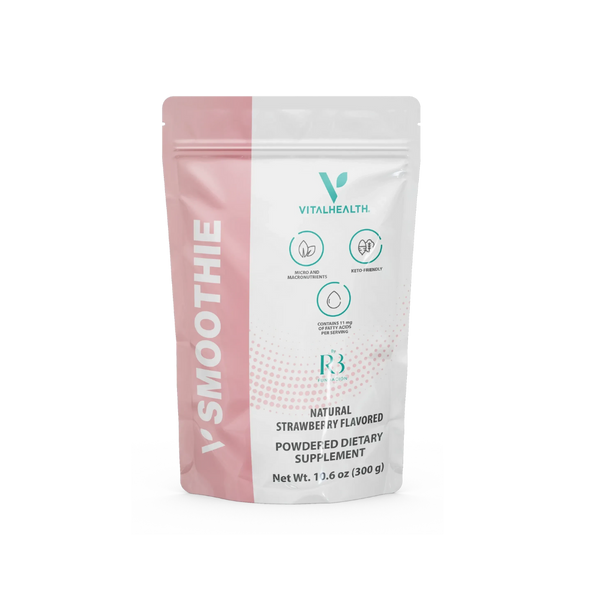
V-SMOOTHIE
$60.00 -

V-TEDETOX
$13.50 -
Nourish family
See every product in this collection.
Shop the collection

Build your business with Vital Health
Share the products you already enjoy, on a schedule you set, with a community and training behind you.
Explore the affiliate programGood questions
Is herbal tea really caffeine-free?
Most true herbal teas are, because they come from herbs, flowers, roots, spices or leaves other than the tea plant. The exception is a blend that adds an ingredient like green tea, black tea or yerba mate, so the label is always worth a quick read.
Is decaf tea the same as caffeine-free herbal tea?
Not quite. Decaf tea starts as real tea and has most of its caffeine removed, so a small amount can remain. A plain herbal tea never contained tea leaves to begin with.
Does rooibos have caffeine?
Rooibos comes from a different plant than black or green tea and is naturally caffeine-free. Check blends, though, because some add other ingredients.
How do I know if a tea blend has hidden caffeine?
Read the full ingredient list for green tea, black tea, white tea, oolong, matcha, yerba mate, guarana or kola nut. Words like "energizing" or "morning blend" on the front of the box are also a cue to look closer.