How to Start a Business at Home: A Practical Guide for Beginners
A clear, low-pressure path for beginners: choose one offer, cover the basics, test with real customers, and explore whether direct selling fits you.

In shortThe 20-second version
- Start with one simple offer you can deliver from your own space, and test it with a few real customers before you grow.
- Check your local registration rules, keep business money separate, and talk to a local small business resource or tax professional.
- Direct selling is one legitimate option: you share existing products and build at your own pace, with effort and no promise of results.
To start a business at home, choose one simple offer you can deliver from your own space, check your local registration and licensing rules, set up a basic workspace and a way to get paid, and test it with a few real customers before you grow. Start small and learn from every sale. Some people also choose direct selling, which gives you existing products and a community to build with.
It takes effort and time, and no path is guaranteed. But the first steps are smaller than most people expect, and you can begin this week.
How to Start a Business at Home in Five Steps
If you are wondering where to begin, this order keeps things simple. Each step is small enough to finish in a few days, and you can adjust as you learn. If you want more inspiration first, here is a roundup of ways to find a side hustle you can start from home.
-
Choose your idea
Pick one offer you can describe in a single sentence. Think about what you already know, what people ask you for help with, and what you would enjoy doing on a regular Tuesday.
-
Define who it is for
Picture one type of customer, such as busy parents, local small businesses or neighbors. The clearer you are about who you serve, the easier it is to talk about what you offer.
-
Handle the legal and money basics
Look up your local registration rules and open a way to track and receive payments. Keep it simple and keep it separate from your personal spending.
-
Set up your space and tools
You need a reliable spot to work, a calendar and the few tools your idea truly requires. Skip the extras until you have customers.
-
Test with your first customers
Offer your idea to a handful of real people and ask for honest feedback. Adjust your offer based on what they tell you.
Choosing Home Business Ideas That Fit Your Skills and Schedule
The best home business ideas match three things: the time you actually have, the money you are comfortable investing, and how much you enjoy talking with people. A quiet, project-based service suits some personalities. Others prefer a business built around conversations and sharing.
Services you already know
Bookkeeping help, tutoring, pet care, cleaning, organizing, writing, design and virtual assistance all draw on existing skills. Startup costs are often low because you are selling your time and know-how. This path suits you if you are comfortable setting your own prices and talking with clients.
Selling products
You might make products, resell them or share products from an established company. Inventory and supplies add cost, so begin with a small batch. This path suits you if you enjoy showing people something and answering their questions.
Online and digital work from home
Freelancing, online courses, content creation and remote support roles let you work from home with a laptop and an internet connection. They can fit around a job or family schedule, though building an audience or client list takes patience. Be realistic about the hours you can give each week.
The Basics to Set Up Before Your First Sale
A little structure early on saves you headaches later. These three areas are worth a short afternoon each.
Registration and licenses to start a small business
Rules differ by city, county and state, and by the type of business. Some home businesses need a business name registration, a local permit or a sales tax account, and some need none of these. Check your local rules, and consider speaking with a local small business resource or a tax professional who can point you to what applies to you.
Separate business banking and simple record keeping
Open a separate account for business income and expenses, even if you are just starting. Write down every sale and every cost in a spreadsheet or a basic bookkeeping app. Clean records make tax time calmer and show you what is actually working.
A workspace and a routine
A dedicated corner, even a small one, helps you shift into work mode. Choose set hours, even if they are only a few per week, and protect them. Consistency matters more than intensity.
Direct Selling as a Way to Start a Business From Home
Direct selling is a well-established model. Independent people share a company's existing products, earn commissions on the sales they make, and build at their own pace. Names like Avon and Amway have been part of this industry for a long time, and many companies today serve different interests, from beauty to home goods to wellness.
One appeal is that the product, the ordering system and often some training already exist, so you are not building everything from scratch. Your effort goes into sharing and building relationships. As with any business, results vary with the time and care you put in.
Whichever company you consider, these questions help you find a good fit:
- What training and onboarding do new members receive?
- Do I genuinely like the products and would I use them in my own routine?
- How broad is the product range, and does it suit the people I know?
- How does the company support its members day to day?
- How does the commission plan work, and is it explained in plain language?
- What does a realistic first month look like in time and cost?
Building a Home Business With Vital Health as an Affiliate
Vital Health affiliates share functional coffee, tea and nutrition products from four families: Awaken, Detox, Restore and Nourish. Affiliates build their businesses around their own routines and networks, sharing what they genuinely enjoy. They can earn commissions on sales, with effort, consistency and no promise of results.
Here are three products that lend themselves to everyday sharing:
- LATTEKAFFE is a natural starting point. It is a coffee that is simple to sample at a morning get-together or a workday break, and it is straightforward to talk about in terms of taste and how you prepare it.
- NOURISH+ belongs to the Nourish family. Affiliates often share it through recipes and daily routines, and the product page lists exactly what is inside.
- V-SMOOTHIE suits a tasting style of sharing, such as a recipe you make in your kitchen or a sample at the table with friends.
Coffee is a busy category, and it helps to understand what's shaping the coffee category when you talk with people about what they enjoy. Still, the heart of sharing is simple: be honest about what you like, listen to what others are looking for, and never rush anyone.
If you are curious, start by exploring the products and see which ones fit your own mornings and workdays. When you are ready to learn more about how the affiliate program works, you can visit the Vital Health opportunity page. There is no pressure, just a place to see whether it feels right for you.
Products in this story
Swipe to see all three.
-
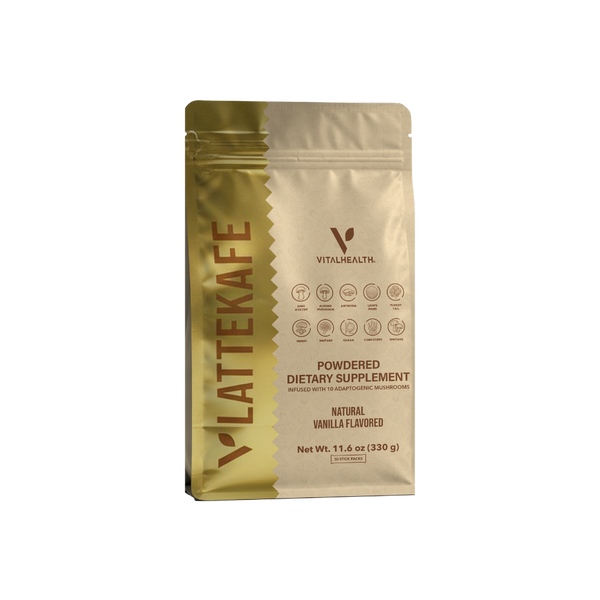
LATTEKAFFE
$52.50 -

NOURISH+
$75.00 -
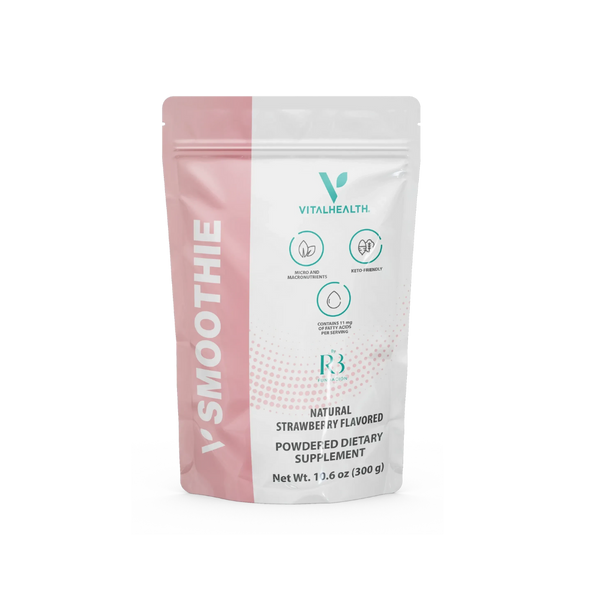
V-SMOOTHIE
$60.00 -
Awaken family
See every product in this collection.
Shop the collection

Build your business with Vital Health
Share the products you already enjoy, on a schedule you set, with a community and training behind you.
Explore the affiliate programGood questions
What is the first step to start a business at home?
Choose one simple offer you can deliver from your own space, such as a service you already know or a product you can sell. Then write down who it is for and what problem it solves for them. Everything else builds on that.
Do I need a license to run a business from home?
It depends on where you live and what you sell. Many cities, counties and states have their own registration or licensing rules, so check with your local government office or a small business resource before your first sale.
How much does it cost to start a small business at home?
It varies widely by idea. Some service businesses need little more than a phone and a laptop, while product businesses may need inventory and supplies. Start with the smallest version of your idea so you can learn before you invest more.
Is direct selling a legitimate way to work from home?
Yes. Direct selling is an established business model where independent people share a company's existing products and earn commissions on sales. Results depend on effort, time and your own network, and nothing is guaranteed.