Herbal Tea and Bloating: What to Know Before You Sip
A plain-spoken look at the teas people sip after meals, how to brew a good cup, and when to bring your questions to a healthcare professional.

En resumenLa versión de 20 segundos
- No herbal tea is a promised fix for bloating, so think of a warm cup as a pleasant after-meal ritual.
- Peppermint, ginger, fennel and chamomile are popular choices, each with its own flavor and aroma.
- A simple food and drink journal helps you notice patterns, and ongoing, severe or new symptoms deserve a healthcare professional.
If you searched for herbal tea bloating ideas, here is the honest answer. No herbal tea is a promised fix for bloating, and this article will not pretend otherwise. Bloating has many everyday causes, and a warm, caffeine-free cup is mostly a pleasant ritual people reach for after meals. Below you will find which herbal teas people commonly sip, how to brew them well, what to track, and when to talk with a healthcare professional.
Herbal Tea and Bloating: What the Honest Answer Looks Like
Let's set expectations first. A cup of herbal tea is a habit, not a treatment. It gives you a reason to pause after a meal, hold something warm and take a few slow sips, and for many people that is reason enough to keep a tin in the cupboard.
What a tea cannot do is tell you why you feel bloated or promise that the feeling will go away. Food, eating pace, stress, routines and many other things can be involved. If bloating is persistent or painful, it deserves a conversation with a healthcare professional rather than another cup of tea.
It also helps to notice how you think about daily rituals in general. Some people love a structured routine, while others prefer to keep things loose. If you are curious, you can read about how different wellness shoppers approach daily rituals and see which style sounds like yours.
Which Herbal Teas Do People Reach For After Meals?
These are four familiar choices. We are describing taste and how people serve them, nothing more. Every one of them is naturally caffeine-free when it is a pure herb, though blends may add other ingredients, so check the label.
Peppermint Tea
Peppermint tea is cool, bright and a little sweet, with an aroma you notice before the first sip. People often serve it hot in a mug after dinner, and some chill a batch to pour over ice in warm weather. A thin slice of lemon is a common add-in.
Ginger Tea
Ginger tea is warm, zesty and slightly spicy. You can steep sliced fresh ginger or use tea bags, and many people add a little honey or a squeeze of lemon. It is a popular pick for anyone who likes a drink with some bite.
Fennel Tea
Fennel tea has a gentle, sweet, licorice-like flavor. It is often made from crushed fennel seeds or sold as tea bags. People tend to drink it plain, since it already has a rounded sweetness.
Chamomile as an After-Meal Tea
Chamomile is floral and mellow, with a hint of apple. It is a classic evening cup, and people often drink it plain or with a small spoonful of honey. If you are looking for a simple after-meal tea that is easy on the palate, it is a friendly place to start.
Vital Health also offers a tea of its own, which we cover in the last section.
How to Brew a Better Cup of Herbal Tea
Good brewing makes a real difference to flavor. These five steps work for most herbal teas.
-
Pick your tea
Choose a flavor you actually look forward to. Whole leaves, seeds or fresh slices usually smell stronger than old, dusty tea bags.
-
Heat the water
Use fresh, cold water and bring it to a boil. Most herbal teas do well with water just off the boil.
-
Steep covered
Put a small plate or lid over your mug while it steeps. This keeps the aroma in the cup, and five to ten minutes is a common range, so follow the package directions.
-
Taste and adjust
Take a small sip before you add anything. Then try a little lemon, honey or an extra minute of steeping if you want it stronger.
-
Sip slowly
Sit down, put your phone aside and take your time. The pause is a big part of the ritual.
Questions to Ask Yourself About Your Bloating
If you are wondering about herbal tea bloating habits, a little record keeping can tell you more than any single drink. A simple food and drink journal for a week or two is enough. Jot down what you ate and drank, when you ate, how quickly you ate and how you felt afterward.
Here are a few questions that can help you spot patterns:
- What did I eat and drink in the hours before I noticed it?
- Was I eating quickly, standing up or distracted?
- Does it show up at certain times of day or in certain situations?
- Is this a new feeling for me, or something I have had for a while?
Many things can be involved, so no single drink is the answer. Bring your notes to a healthcare professional, especially if symptoms are ongoing, severe or new. It is also wise to check in before adding herbs to your routine if you are pregnant, nursing or take medication.
Easy Ways to Build a Warm Drink Routine
A routine does not need to be elaborate. Pick a time, pick a mug and make it something you enjoy. Here are a few ways to do that with Vital Health products.
For a warm evening or after-meal cup: V-TEDETOX is a Vital Health tea that people brew in the evening or after a meal. Its name is just a name, and we make no promises about what it does in the body. Check the product page for the flavor notes, the ingredient list and the brewing directions, then steep it the way you would any herbal cup, covered and sipped slowly.
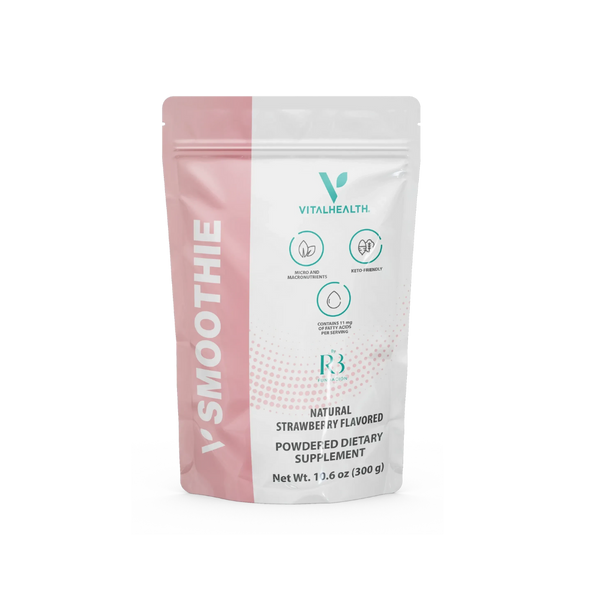
For a cold alternative: if hot drinks are not your thing, V-SMOOTHIE is a drink mix you can blend or shake into a chilled glass. Some people stir it into cold water, while others blend it with ice and fruit for a thicker texture. It is an easy option for a quick afternoon or after-dinner routine.
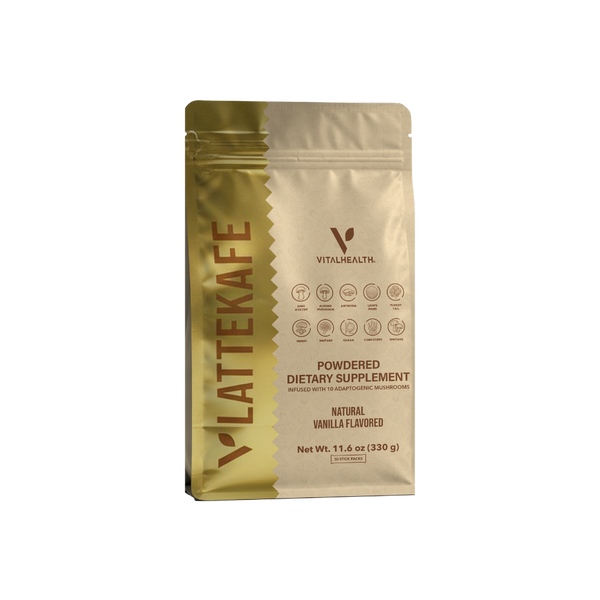
For a warm morning mug: LATTEKAFFE is a coffee, not an herbal tea, so it is not a swap for the teas above. It simply suits readers whose favorite warm ritual happens at breakfast, with a mug in hand before the day gets going.
Whichever you pick, a consistent little moment tends to be the part people enjoy most. And if you like sharing products you enjoy and are curious about building a business at your own pace, you can learn more on the Vital Health affiliate page, where affiliates can earn commissions on sales, with effort and no promise of results.
These statements have not been evaluated by the Food and Drug Administration. Vital Health products are not intended to diagnose, treat, cure or prevent any disease.
Productos en esta historia
Desliza para ver los tres.
-

V-TEDETOX
$13.50 -
V-SMOOTHIE
$60.00 -
LATTEKAFFE
$52.50 -
Detox family
Mira todos los productos de esta colección.
Ver la colección

Crea tu negocio con Vital Health
Comparte los productos que ya disfrutas, con el horario que tú decidas, con una comunidad y capacitación que te respaldan.
Conoce el programa de afiliadosBuenas preguntas
What is the best tea for bloating?
There is no single best tea, and no tea is a promised fix. Peppermint, ginger, fennel and chamomile are common choices, so pick the flavor you enjoy most. If bloating keeps coming back, talk with a healthcare professional.
Is peppermint tea good for bloating?
Peppermint tea is a popular after-meal drink because of its cool, bright flavor, but this article makes no promise about what it does for bloating. Treat it as a pleasant ritual. A healthcare professional is the right person to ask about ongoing discomfort.
Should I drink ginger tea after meals?
Plenty of people like a warm cup of ginger tea after eating because of its spicy, zesty taste. It is a matter of preference, not a treatment. Check with a healthcare professional if you take medication or have a health condition.
When should I see a doctor about bloating?
If bloating is ongoing, painful, severe or new for you, make an appointment with a healthcare professional. Tea is a comforting habit, not a substitute for personal medical advice.
Does herbal tea have caffeine?
Peppermint, ginger, fennel and chamomile teas are naturally caffeine-free when sold as pure herbs. Blends can include other ingredients, so read the label on any tea you buy.