Herbal Tea Guide: Types, Flavors and How to Brew
A plain-English look at what herbal tea is, the main flavor families, how to brew a good cup, and easy ways to enjoy it from morning to evening.
En brefLa version en 20 secondes
- Herbal tea is made by steeping flowers, leaves, roots, seeds or fruit, so it usually does not come from the tea plant.
- The main families are floral, mint, spice and root, fruit, and blends, and each has its own flavor.
- Water temperature, steeping time and ingredient quality shape the cup, so follow the package directions and adjust to taste.
If you searched tea herbal, here is the short version. Herbal tea is a drink made by steeping flowers, leaves, roots, seeds or fruit in hot water, and strictly speaking it is not "tea" because it doesn't come from the tea plant. The main families are floral, mint, spice and root, fruit, and blends, and a good cup comes down to water temperature, steeping time and ingredient quality.
Below you will find what each family tastes like, a simple brewing method, ideas for fitting a cup into your day, and a few tips for choosing and storing what you buy.
What tea herbal means: herbal tea vs. true tea
True tea, such as black, green, white or oolong, comes from the leaves of the tea plant. Herbal tea, sometimes called a tisane, is made from other plants. That might be dried petals, leaves, bark, roots, seeds or pieces of fruit.
Because herbal blends are usually made from plants other than the tea plant, they often taste very different from a classic cup of black tea. Caffeine content depends on the ingredients, and some blends mix in other components, so it is worth reading the label on whatever you pick up.
Types of herbal tea and their flavors
Most herbal teas fall into a handful of families. Knowing the families makes it easier to pick something you will actually enjoy.
Floral herbal teas
Floral teas are made from dried blossoms. Chamomile tastes gentle and a little honeyed, with a soft apple-like note. Hibiscus is tart and bright, with a deep ruby color. Lavender is perfumed and sweet, and it is often blended with other ingredients because a little goes a long way.
Mint herbal teas
Mint teas are crisp and cooling. Peppermint is sharp and clean, while spearmint is milder and slightly sweeter. Both are popular hot after a meal and iced on a warm day.
Spice and root herbal teas
These teas taste warming and full. Ginger is zesty and peppery, cinnamon is sweet and woody, and licorice root has a naturally sweet, anise-like flavor. They pair well with a splash of milk, a drizzle of honey or a squeeze of lemon.
Fruit and berry herbal teas
Fruit blends use dried apple, berries, citrus peel or similar ingredients. They tend to taste sweet and juicy, which makes them an easy starting point and a good choice for iced pitchers.
Herbal tea blends
Blends combine ingredients from the other families, such as mint with ginger or hibiscus with berries. A good blend balances sweet, tart, earthy and bright notes, so check the ingredient list to see what is in your cup.
How to brew herbal tea
You do not need special equipment. A mug, a lid or small plate, and a little attention are enough for a good cup.
-
Choose loose leaf or bags
Loose leaf gives the ingredients room to open up, while bags are quick and tidy. Either works, so pick what suits your routine.
-
Heat fresh water
Start with fresh, cold water and heat it until it is steaming or just off the boil. Many herbal teas do well with very hot water, but check your package for its recommendation.
-
Measure the tea
A common starting point is about one teaspoon of loose tea or one bag per cup. Use the amount on the package if it differs.
-
Steep with a lid
Cover the mug so the aroma stays in the cup. Many herbal teas steep for about 5 to 7 minutes, but follow the package directions.
-
Strain and taste
Remove the bag or strain out the leaves so the tea does not keep getting stronger. Take a sip before adding anything.
-
Adjust
If it tastes weak, use a little more tea or steep longer next time. If it tastes sharp, steep for less time or add a touch of honey or lemon.
Easy ways to enjoy herbal tea through your day
Herbal tea fits almost anywhere you would normally reach for a warm drink. Here are a few simple rhythms people use.
- Morning mugs: a gentle floral or fruit blend works for anyone who likes a slower start.
- Afternoon breaks: a spiced or mint tea with a handful of nuts or a piece of fruit makes a pause in the workday.
- After dinner: a warm cup of mint, ginger or chamomile is a quiet way to end the evening.
- Iced pitchers: brew a strong batch, cool it, and keep it in the fridge for easy pouring.
- Snack pairings: try mint with dark chocolate, hibiscus with shortbread, or ginger with a simple oat cookie.
If you want a ready-made option, Vital Health offers V-TEDETOX as its tea. People brew it hot or pour it over ice and drink it as an afternoon or evening cup. The product page lists the exact ingredients and flavor notes, so read it before you order, and you can browse the full tea range in the Vital Health tea collection.
If you like a creamy, latte-style cup in the morning before switching to tea later in the day, LATTEKAFFE is the coffee option in the Vital Health lineup. Many people enjoy it as a morning routine and then move to a caffeine-free-or-not herbal cup of their choosing in the afternoon, depending on what the label says.
How to choose and store herbal tea
Start with the ingredient list. A short list of recognizable plants usually tells you more about the cup than a flavorful name on the front of the box. If you are watching caffeine, the label is where you will find out whether a blend includes anything beyond herbs.
Loose leaf tends to look and smell fresher, since you can see the petals, peel and pieces. Bags are more convenient for the office or travel. Either way, buy small amounts at first so you can try a few flavors before committing to a big tin.
Store your tea in a cool, dry, airtight container away from light, heat and strong smells. Kept this way, dried herbs hold their aroma longer, so a cup tastes the way it should.
Sharing the teas you love
Once you find a blend you enjoy, it is natural to want to share it. Some people like to pass along products they use, and Vital Health affiliates can earn commissions on sales and build a business at their own pace. It takes effort, and there is no promise of results.
If you are curious about the business side, you can read about wellness consumer trends in The Vital Journal, then look at the affiliate opportunity page to see how it works. Either way, a warm cup and a little time to yourself is a good place to start.
These statements have not been evaluated by the Food and Drug Administration. Vital Health products are not intended to diagnose, treat, cure or prevent any disease.
Produits de cet article
Faites glisser pour voir les deux.
-

V-TEDETOX
$13.50 -
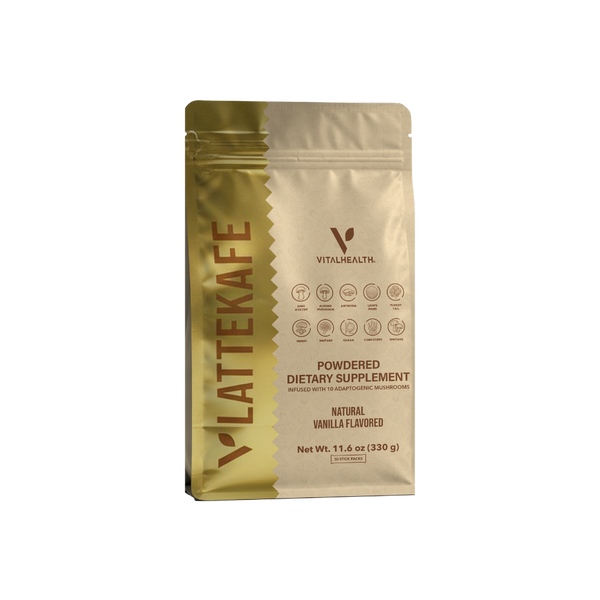
LATTEKAFFE
$52.50 -
Detox family
Découvrez tous les produits de cette collection.
Voir la collection

Développez votre activité avec Vital Health
Partagez les produits que vous appréciez déjà, selon le rythme que vous choisissez, avec le soutien d’une communauté et d’une formation.
Découvrir le programme d’affiliationBonnes questions
Is herbal tea really tea?
Strictly speaking, no. True tea comes from the tea plant, while herbal tea is made from other plants such as flowers, leaves, roots, seeds or fruit. People use the name loosely because the drink is made the same way, by steeping in hot water.
Does herbal tea have caffeine?
It depends on the ingredients. Many herbal blends are made from plants other than the tea plant, but some blends include other ingredients, so check the label on the product you choose.
How long should I steep herbal tea?
Many herbal teas steep for about 5 to 7 minutes, though some blends call for more or less. Follow the package directions first, then adjust to your taste.
Can I make herbal tea iced?
Yes. Brew it a little stronger than usual, let it cool, then pour it over ice or chill it in a pitcher. A slice of citrus or a few fresh mint leaves makes a simple finish.