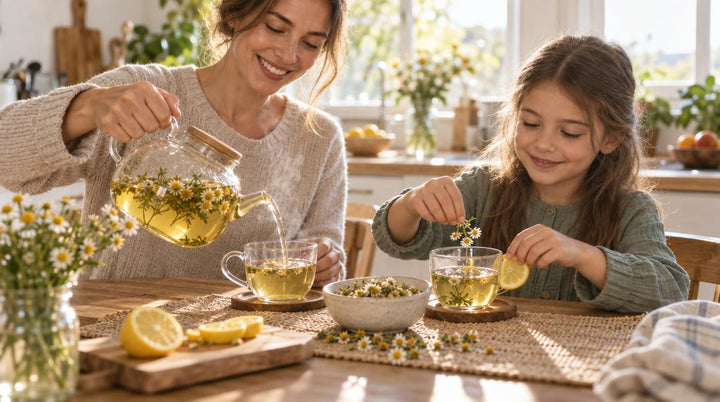
Herbs for Herbal Tea: Easy Blends to Try at Home
A short list of easy herbs, a simple brewing method and four blends to try tonight, plus a ready-made option for days when you would rather skip the measuring.
En brefLa version en 20 secondes
- Mint, chamomile, lemon balm, ginger, lemongrass and hibiscus are easy herbs to start with.
- Use about a tablespoon of fresh herbs or a teaspoon of dried per cup, and steep covered for five to ten minutes.
- Start with two or three herbs, taste, and adjust until the blend suits you.
The easiest herbs for herbal tea are mint, chamomile, lemon balm, ginger, lemongrass and hibiscus. Use about a tablespoon of fresh herbs or a teaspoon of dried per cup, pour over hot water and steep for five to ten minutes. From there, mixing two or three herbs is how you find a blend you like.
Homemade herbal tea is mostly about flavor and routine: an evening cup, a pitcher in the fridge, a mug on the porch. One plain note before you start: herbs vary by person, so check labels and ingredients for your own needs.
The Best Herbs for Herbal Tea to Start With
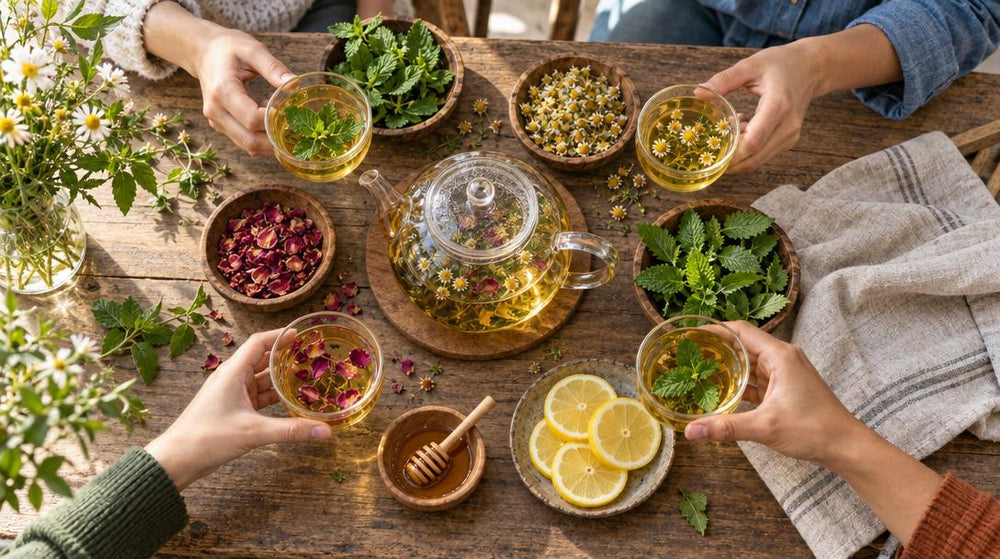
If you are new to this, pick one herb from each flavor family below and taste them on their own first. Knowing what each one brings to the cup makes blending much easier later.
Minty and cooling
Peppermint and spearmint are the classic starting point. They taste clean and fresh, they are forgiving if you steep a little long, and they pair well with almost everything. Mint is also one of the easiest herbs to grow on a windowsill.
Floral and soft
Chamomile has a gentle, apple-like floral flavor that many people reach for in the evening. Dried chamomile flowers are easy to find and keep well in a jar. Lavender is also floral, but use it sparingly because a little goes a long way.
Citrusy and bright
Lemon balm and lemongrass both bring a lemony note without the sharpness of actual lemon. Lemon balm is leafy and mild, while lemongrass is a bit more grassy and fragrant. Hibiscus belongs here too, with a tart, berry-like flavor and a deep ruby color.
Warm and spicy
Fresh ginger gives a peppery warmth that works well in cold weather. Cinnamon sticks, whole cloves and a few cardamom pods add a cozy, baking-spice flavor. These are good choices when you want a mug that feels like a treat.
Fresh vs. Dried Herbs for Herbal Tea
Both work. The real question in the fresh vs. dried herbs debate is what you have on hand and what kind of flavor you want.
When fresh works best
Soft, leafy herbs like mint and lemon balm taste their best fresh. Their flavor is bright and a little grassy, and a handful of leaves in a mug looks lovely. Gently bruise or tear the leaves first so they release more of their flavor.
When dried works best
Dried herbs are the easy choice for chamomile, hibiscus and anything you want available year round. They have a deeper, more concentrated flavor, so you need less. Dried herbs also make it simple to mix a big jar of your own blend and scoop as needed.
How to store each
Keep fresh herbs in a glass of water on the counter or wrapped in a damp paper towel in the fridge, and use them within a few days. Store dried herbs in an airtight jar away from light and heat. If a dried herb has lost its scent, its flavor has faded too, and it is time for a fresh batch.
How to Make Herbal Tea at Home
Once you know the basics of how to make herbal tea, you can use them for any herb or blend.
-
Choose your herbs
Pick one herb to start, or two or three from the same flavor family. Fresh or dried both work.
-
Measure
Use about a tablespoon of fresh herbs or a teaspoon of dried herbs for each cup of water. Tough ingredients like ginger slices, lemongrass stalks and cinnamon sticks can be added in small pieces.
-
Heat the water
Bring water to a boil, then let it sit for a moment before pouring. Slightly cooled water keeps delicate leaves tasting fresh rather than harsh.
-
Steep and cover
Pour the water over the herbs and cover the mug or teapot with a lid or small plate. Steep for five to ten minutes so the flavor stays in the cup.
-
Strain and taste
Strain out the herbs, take a sip and adjust. Add more herbs next time for a stronger cup, or shorten the steep if you want it lighter.
Easy Herbal Tea Blends to Try
These herbal tea blends use ingredients that are easy to find. Treat the amounts as a starting point and change them to taste.
Mint and lemon balm
Use a small handful of fresh mint and a small handful of fresh lemon balm, or a teaspoon of each dried. The result is cooling and lemony, and it is a good first blend for a warm afternoon.
Ginger and lemongrass
Slice a few thin coins of fresh ginger and add one chopped lemongrass stalk to a pot of hot water. Steep for ten minutes. It tastes warm, citrusy and a little peppery.
Hibiscus and cinnamon
Combine a teaspoon of dried hibiscus with half a cinnamon stick. This blend is tart, spiced and a deep red color. Hibiscus is strong, so start with a short steep and see how you like it.
Chamomile and a little honey
Steep a teaspoon of dried chamomile, strain, then stir in a small spoonful of honey. It is soft, floral and a little sweet, which makes it an easy evening mug.
An iced pitcher idea
Make a double-strength batch of hibiscus and mint, using about two teaspoons of dried herbs per cup of water. Let it cool, strain it into a pitcher and add cold water, ice and a few slices of orange. It keeps in the fridge for a day or two.
When You Want Herbal Tea Without the Mixing
Some days you want a good cup without measuring, blending or straining. That is where a ready-made tea earns its spot in the cupboard.
Vital Health offers V-TEDETOX, a ready-to-brew tea you prepare like any other: hot water and time to steep. People tend to keep it for an evening cup after dinner or a break during the workday. The product page lists the ingredients, flavor and exact preparation directions, so read the label to see whether it suits you. You can also browse the rest of the Detox collection if you like to see what else is on the shelf.
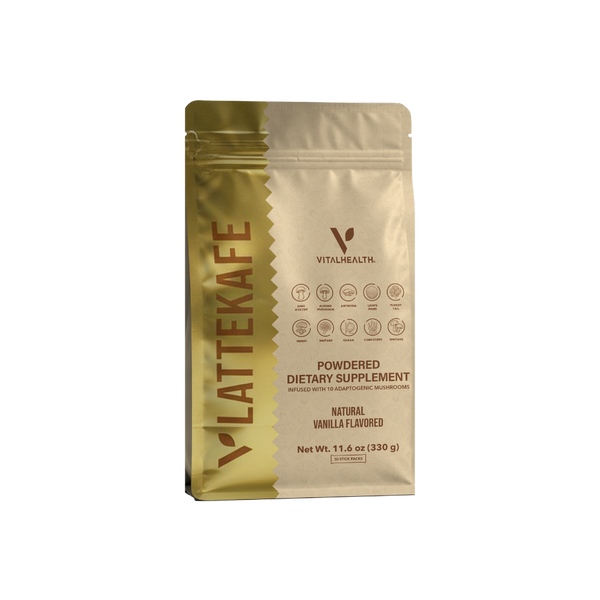
If someone in your house prefers coffee to tea, LATTEKAFFE is a warm, creamy option, so everyone has something to pour. It is part of why functional coffee is getting attention as a category to watch, and it is worth a look if your household splits between kettle and coffee pot.
If you enjoy sharing products you like with friends and family, you can learn how affiliates earn commissions and build a business at their own pace on the become an affiliate page. Results depend on effort and are never promised.
These statements have not been evaluated by the Food and Drug Administration. Vital Health products are not intended to diagnose, treat, cure or prevent any disease.
Produits de cet article
Faites glisser pour voir les deux.
-

V-TEDETOX
$13.50 -
LATTEKAFFE
$52.50 -
Detox family
Découvrez tous les produits de cette collection.
Voir la collection

Développez votre activité avec Vital Health
Partagez les produits que vous appréciez déjà, selon le rythme que vous choisissez, avec le soutien d’une communauté et d’une formation.
Découvrir le programme d’affiliationBonnes questions
What are the easiest herbs for herbal tea?
Mint, chamomile, lemon balm, ginger, lemongrass and hibiscus are all easy to find and simple to brew. Mint and lemon balm are also easy to grow in a pot at home.
How much herb do I use for one cup of herbal tea?
A good starting point is about a tablespoon of fresh herbs or a teaspoon of dried herbs for each cup of hot water. Add a little more next time if you want a stronger flavor.
Is it better to use fresh or dried herbs for tea?
Neither is better across the board. Fresh herbs taste bright and green, while dried herbs are convenient, store well and give a more concentrated flavor.
How long should I steep herbal tea?
Five to ten minutes with a lid or saucer on top works for most herbs. Taste it at five minutes, then let it go longer if you want more flavor.
Can I mix different herbs together in one tea?
Yes, and that is how most people find a favorite. Start with two or three herbs that share a flavor family, like mint with lemon balm, and adjust from there.